News
The digital eye in the oilfield: the new frontier of safety and operational efficiency
In the vastness of oilfields, where distances are measured in kilometres and assets are counted by the hundreds, the difference between a successful operation and an environmental contingency is often hidden in what remains unseen. Until recently, the integrity of a location depended exclusively on physical walkthroughs; today, the integration of remote inspection technology and data analysis models is redefining industry standards.
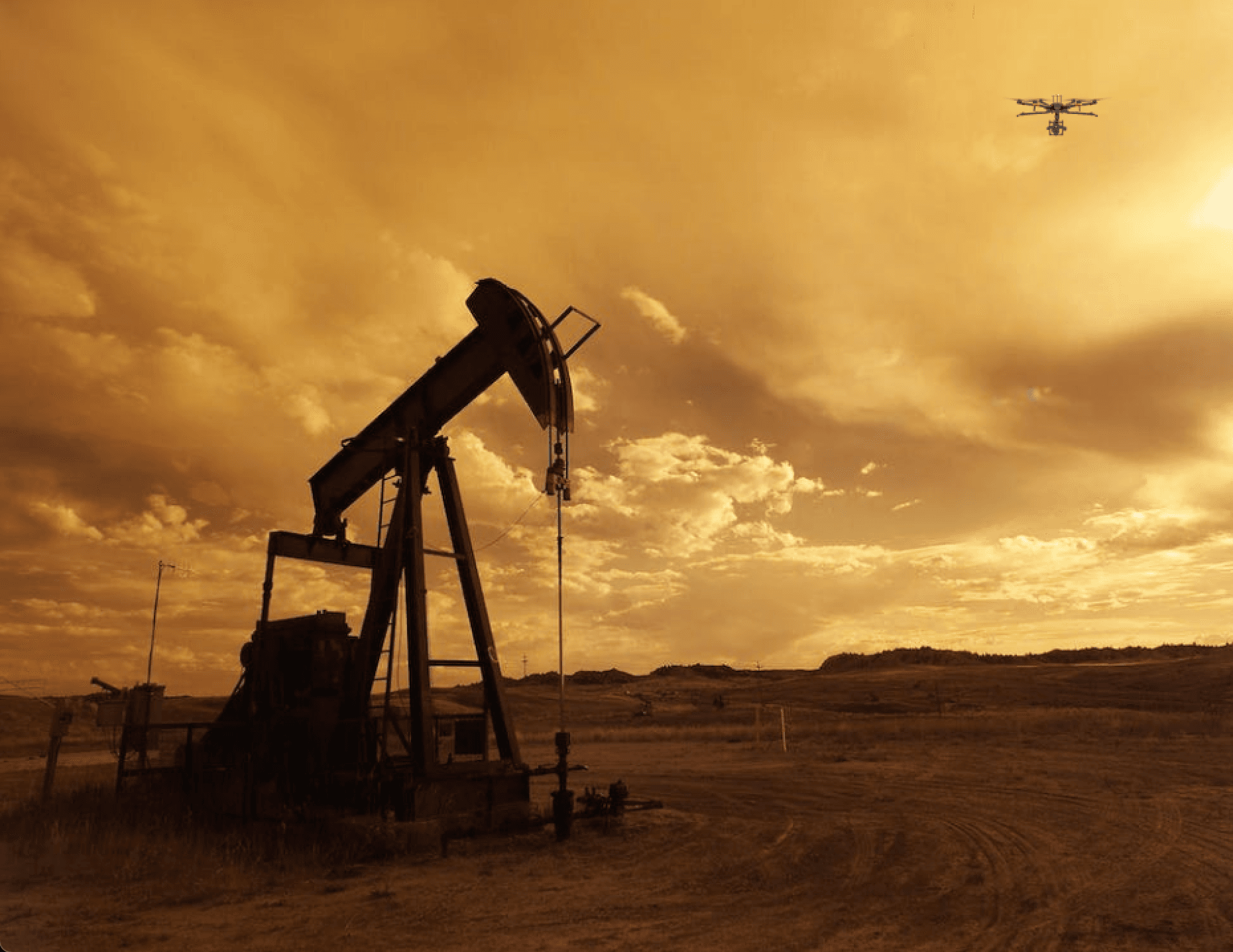
Uali’s remote oilfield inspection service aims to deconstruct the complexity of infrastructure to guarantee two critical pillars: safety and large-scale productivity.
An efficiency milestone: 2,048 assets in a single day
The capacity of this technology was recently demonstrated by a milestone that marks a "before and after" for the industry: the inspection of 2,048 assets in a single working day. This record is not just a number; it is proof that precision monitoring can scale to levels previously unthinkable for traditional methods, allowing for total oilfield coverage without compromising the thoroughness of the analysis.
→ Learn more about our new 2026 record: Over 2,000 assets inspected in a single day
Detection as a tool for prevention
The heart of this transformation lies in the ability to identify anomalies that the human eye—conditioned by routine or limited by difficult access—might overlook. Through advanced image processing, Uali’s system focuses on critical points of daily operations. In the realm of physical safety, detecting elements such as missing belt guards or the lack of perimeter fencing on Pumping Units (AIB) is vital. These are not merely technical details, but protective barriers whose absence increases the risk of incidents. Similarly, constant monitoring allows for the identification of people and vehicles in restricted zones, ensuring that safety protocols are strictly followed.
Process radiography: from wellhead to management
Operational efficiency depends on the precision of components. Uali’s inspections delve deep into asset behaviour in real-time:
- Thermal and Flow Integrity: We evaluate the condition of heaters and the correct recirculation in production manifolds—factors that determine the fluidity of the extraction chain.
- Chemical Input Control: By measuring fluid levels and verifying injection in chemical kits, replenishment logistics are optimised, avoiding unnecessary travel.
- Soil Protection: The immediate identification of spills on the ground or at the wellhead allows for focused intervention, transforming potential environmental issues into controlled preventive maintenance manoeuvres.
Housekeeping as a standard
An efficient location is, above all, an organised one. The ability to detect residual objects—from pallets and counterweights to abandoned bags and rods—allows standards to be maintained at the highest level. This control not only facilitates logistical manoeuvres but also eliminates the risk of trips and accidents on-site.
The energy industry is no longer managed by intuition, but through digital evidence. Uali’s commitment to conducting exhaustive automatic inspections, backed by global-scale operational records, is the engine of a new industrial excellence. In a world that demands safer and more conscious energy, the precise analysis of every detail on location is the foundation of business continuity. Let’s talk!
Diego Dabos
Business Developer