News
The renewable leap in Argentina: the statistic challenging energy infrastructure management
The Argentine energy matrix is undergoing a historic paradigm shift. According to the latest sector reports, renewable energy generation has consolidated a year-on-year growth of 5.2%, gaining unprecedented ground in the country's total electricity share. This advancement in technologies such as wind and solar represents not only an environmental achievement but also introduces a new ecosystem of challenges for industry operators.
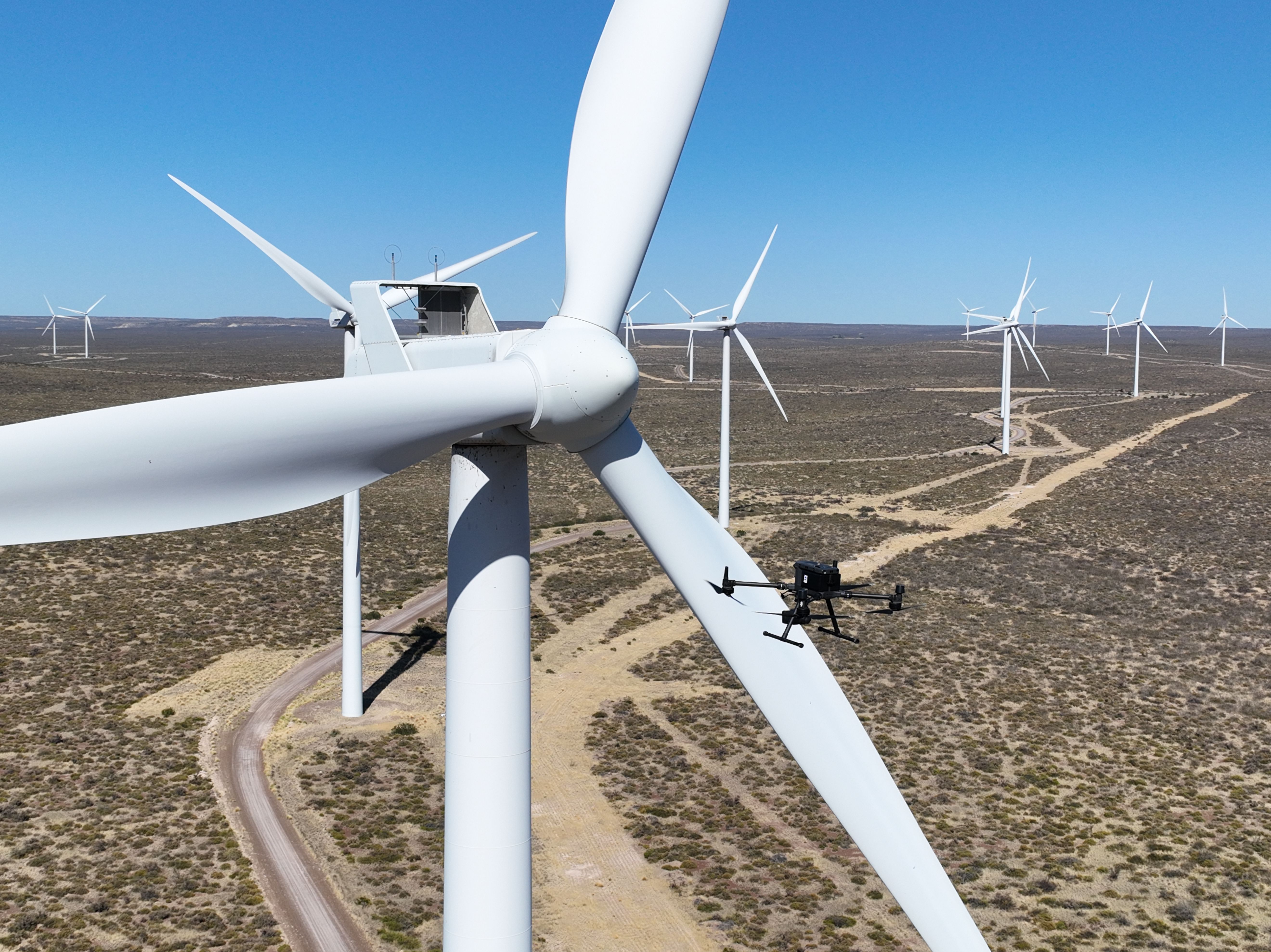
As solar and wind farms expand and gain prominence within the grid, the central question for companies is no longer how to generate more, but how to ensure that existing infrastructure operates at maximum capacity without interruptions. In a high-demand market, every minute offline counts.
The challenge of scale: real-time precision monitoring
Unlike traditional power plants, clean energy farms usually span vast geographical areas and are often located in regions with extreme weather conditions, such as Patagonia or the Cuyo region. Conducting visual or manual walkthroughs across thousands of solar panels or dozens of wind turbines is not only inefficient in terms of time, but it also increases risk factors for field personnel.
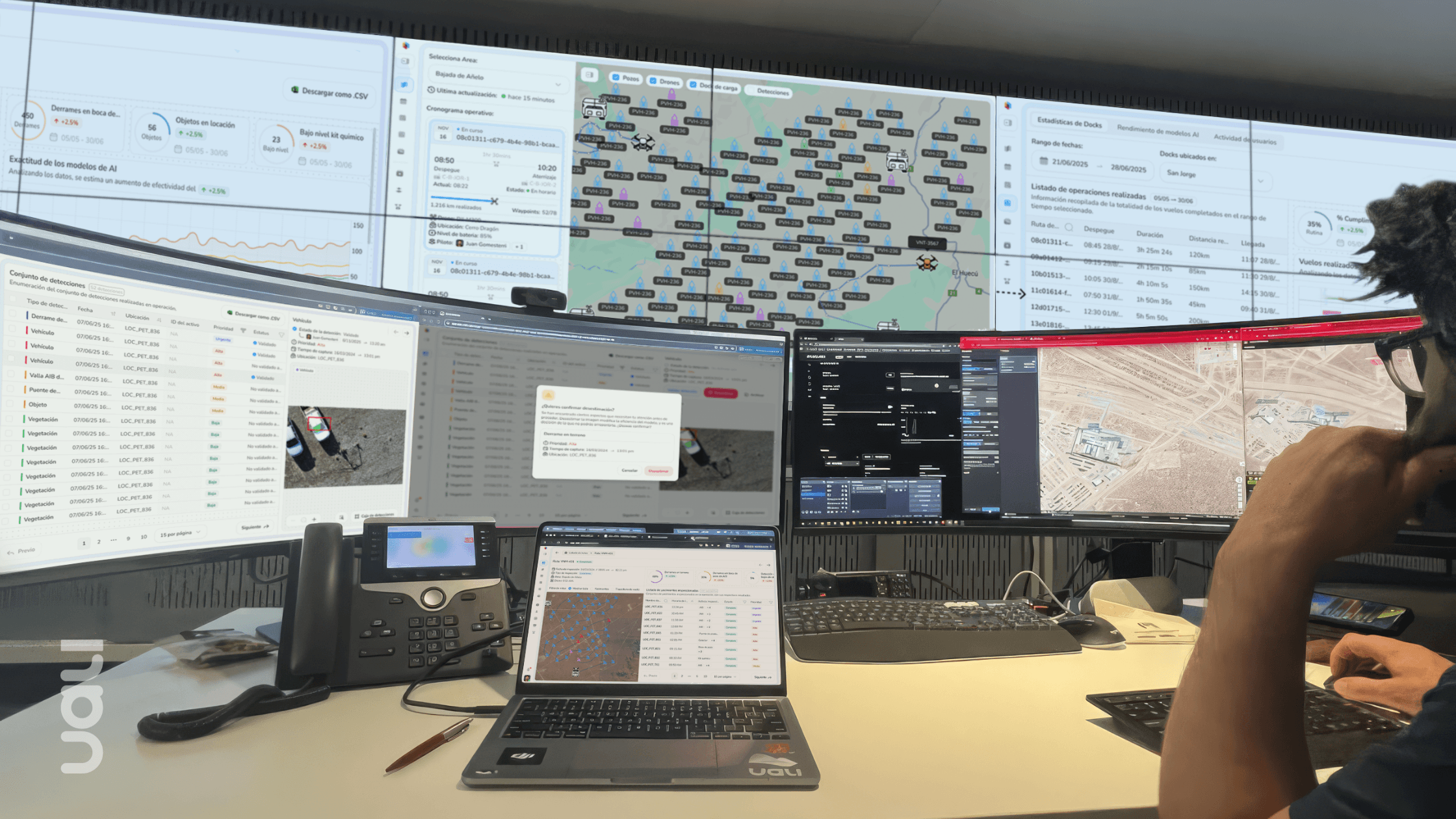
This is where the convergence of automatic aerial robotics for remote inspection and data processing becomes the hidden engine of the energy transition. Digital solutions like those developed at Uali allow this expansion to be managed with a preventive, high-precision approach.
→ Learn more about Uali’s services on our website.
The era of data-driven decisions
The 5.2% growth in the matrix demonstrates that renewables are no longer an alternative for the future; they are the present of the country's energy economy. However, to sustain this pace of growth, the industry needs to migrate from reactive repair schemes towards an evidence-based, preventive maintenance management model.
→ Source: Ámbito Financiero - Renewables gain ground in Argentina's total electricity generation
By centralising georeferenced data into comprehensive platforms, decision-makers gain full traceability over asset health. Knowing exactly which panel requires attention, when the last supervision took place, and how a component's condition is evolving allows for the drastic optimisation of field logistics and reduced operational costs.
Looking ahead
Consolidating the role of clean energy in the electrical matrix requires both investment in infrastructure and innovation in its care. At Uali, we support this sectorial growth by providing the clarity that operators need. We believe that the future of sustainable energy is defined not only by how it is generated, but by the intelligence and technology we apply to protect it.
Diego Montesano
CMO