News
Data also tells stories: the human value behind monitoring
In an increasingly automated energy sector, we often talk about drones, sectors, platforms and algorithms. However, there is one thing that never changes: behind every piece of data, there are people. People who fly, review, interpret and transform that information into safer and more efficient decisions. Data is not just a number. It is a message that someone needs to understand.
Data as a human input
When an operator receives an early alert or a clear condition report, they are not simply looking at data: they are seeing an opportunity to act before a problem escalates. That “information moment” can prevent a risk, reduce a deviation or simply allow the team to work with greater clarity and less pressure.
This make one thing clear: energy-sector technologies do automate processes, yes. But it is human teams who turn that data into operational intelligence.
→ To learn more about how our technology works, we recommend From manual control to automated precision: drones, AI and an industry in motion
The team who make information possible
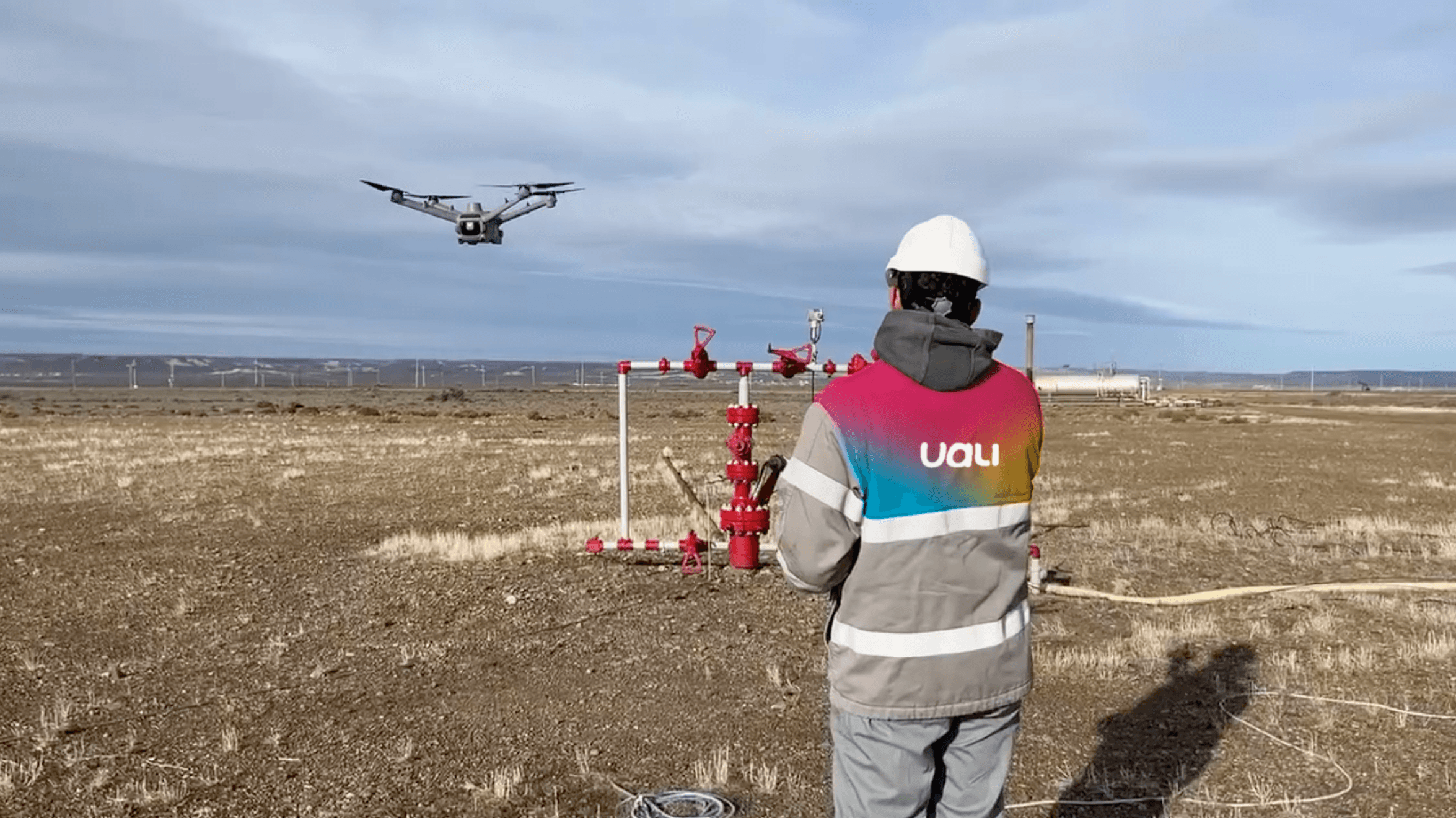
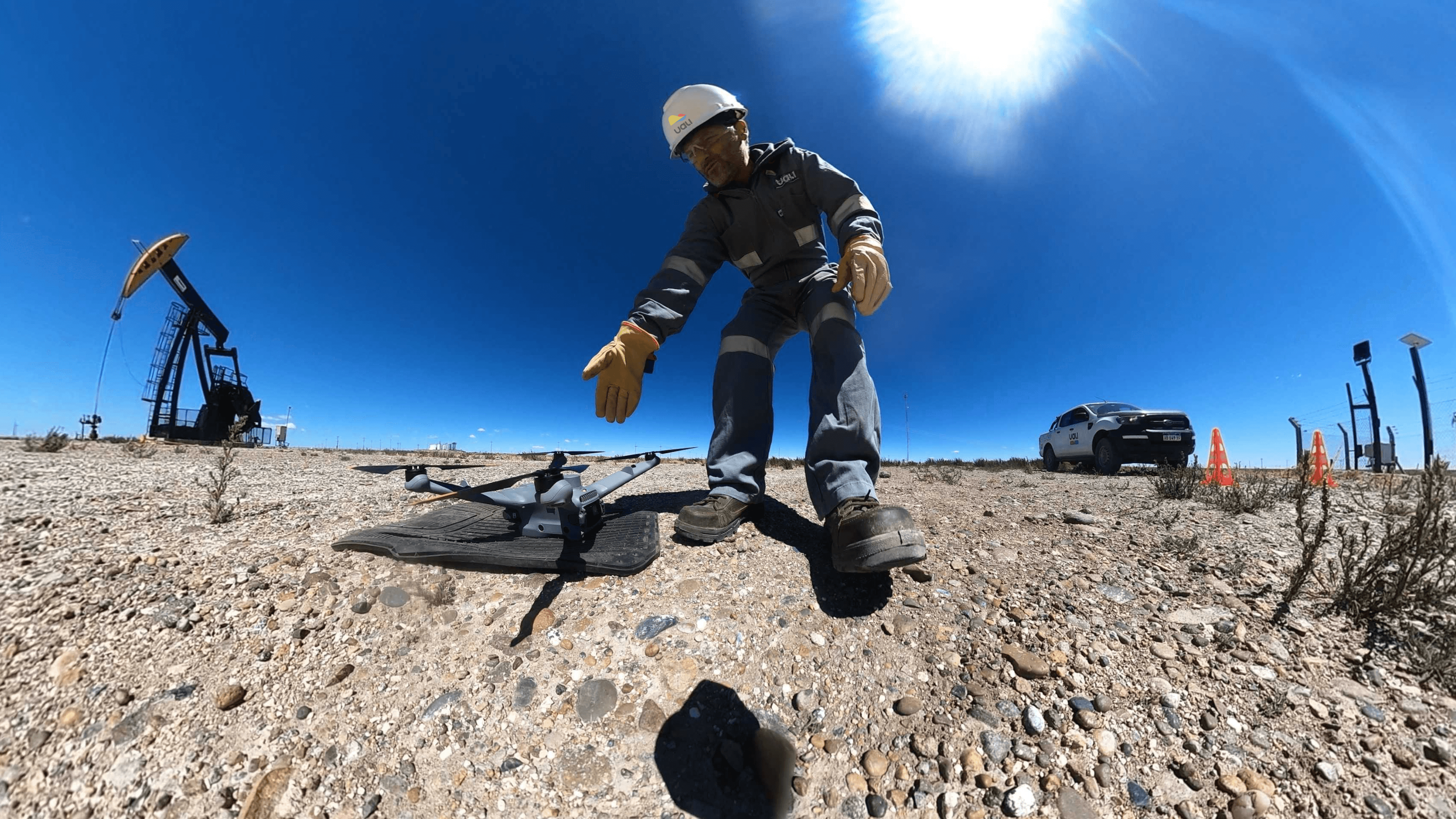
Behind every finding is a pilot who planned a flight, a technician who defined a critical area, an analyst who processed images, or a remote operations specialist monitoring dozens of assets from a control centre — and a field team who resolves the issue. They are the ones who ensure that every hotspot, every minimal leak, every structural anomaly is detected in time and communicated with precision. That invisible work upholds operational reliability.
It is essential to understand that both technology and data matter. But the true value of the entire process lies in people being able to connect everything to make better decisions.
At Uali, we support this process with automated inspection solutions and advanced analytics, helping our clients turn field data into useful operational information. Let’s talk!
Giselle Balzano
Product Manager