News
Monitoring and maintenance of power lines: anticipating to ensure continuity and safety
Power lines are among the most critical assets within energy infrastructure. They span kilometres of territory, are exposed to changing weather conditions and rely on multiple components —including towers, insulators, conductors and surrounding environments — to operate correctly. When something fails, the impact is significant: power outages, production losses, fire risks and even dangerous situations for people. In this context, monitoring and maintaining power lines can no longer rely solely on sporadic inspections or reactive interventions. Operational continuity requires a more systematic, predictive and data-driven approach.
The challenge: extensive assets, complex variables
Inspecting power lines involves far more than visually checking tower structures. It also requires analysing terrain conditions, surrounding vegetation, insulator integrity, cable tension and potential external interferences. Traditionally, these tasks were carried out through manual patrols or isolated inspections. While necessary, they presented clear limitations: partial coverage, inconsistent evaluation criteria and difficulty comparing historical information.
Additionally, the geographic dispersion of assets makes early anomaly detection more complex. A hotspot within the network, an incipient insulator fault or excessive vegetation growth may go unnoticed until they escalate into major incidents. The challenge, therefore, is not simply to inspect — but to do so consistently, repeatedly and with the capacity to anticipate risks.
→ If you would like to learn more about our grid services, discover how we worked alongside Shell Argentina in Remote Inspection of Power Grids with Uali and Shell Argentina.
From field data collection to centralised management
At Uali, we approach power line monitoring as an integrated process that connects three dimensions: intelligent data capture, automated analysis and alert generation.
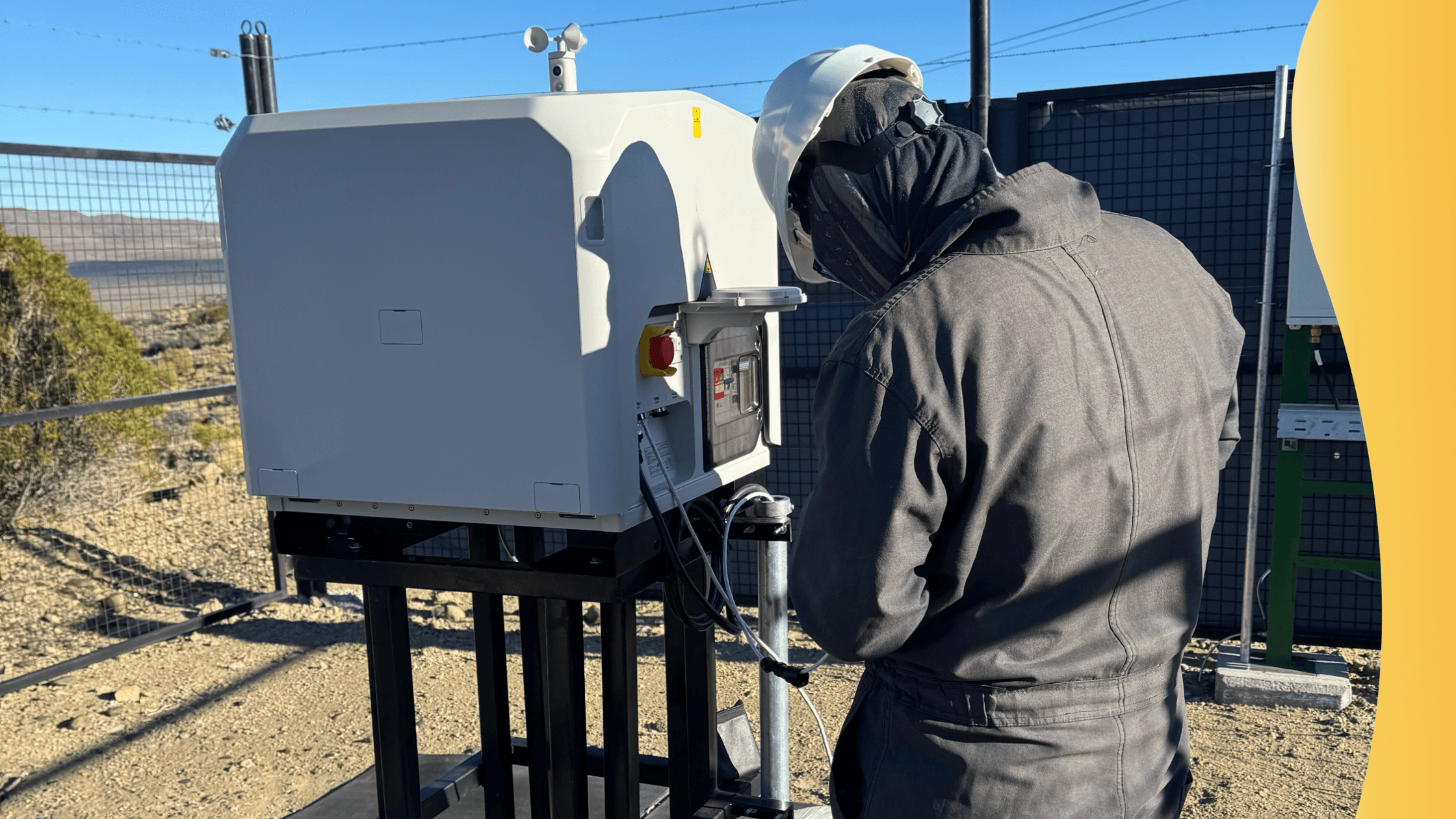
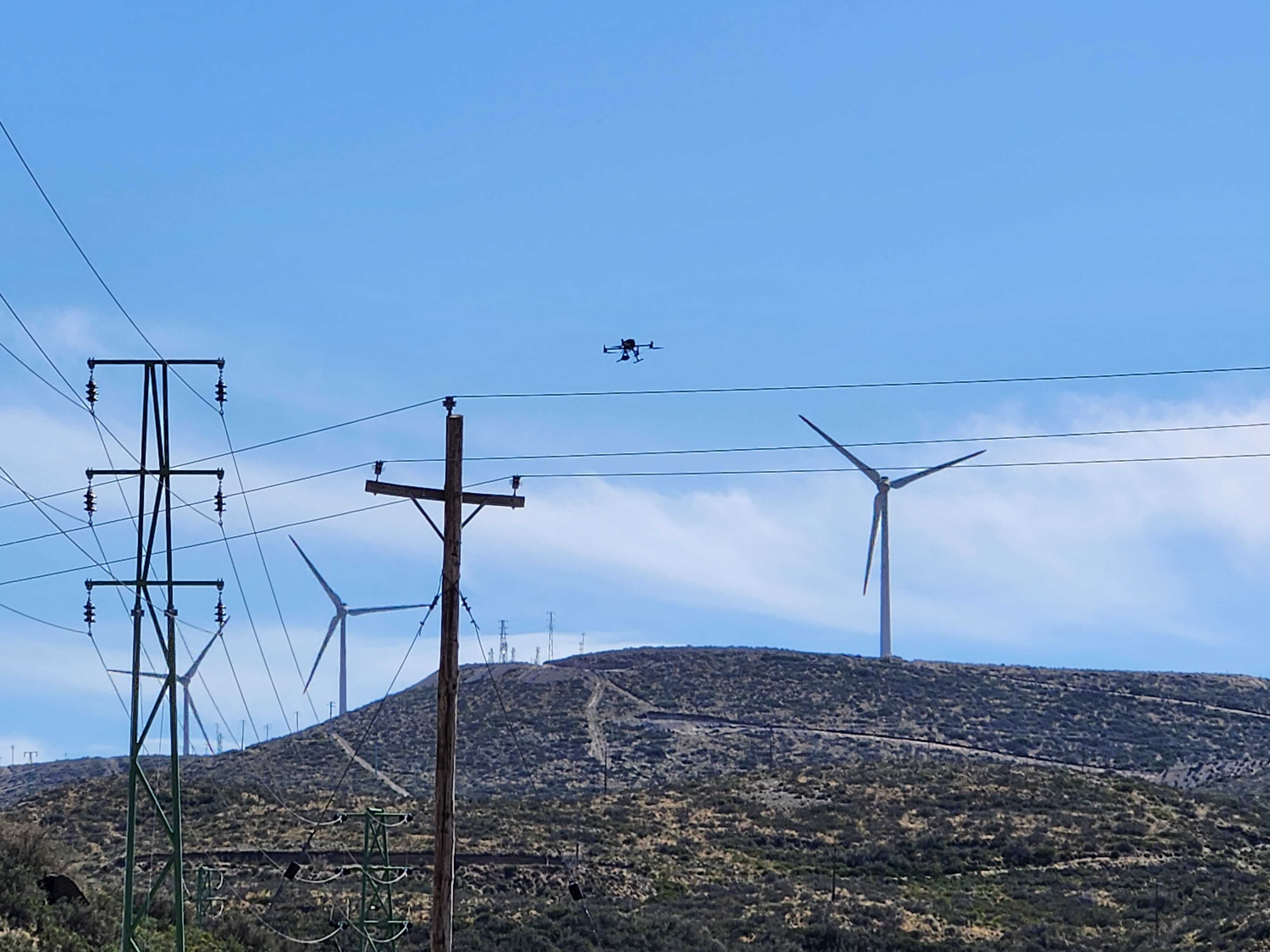
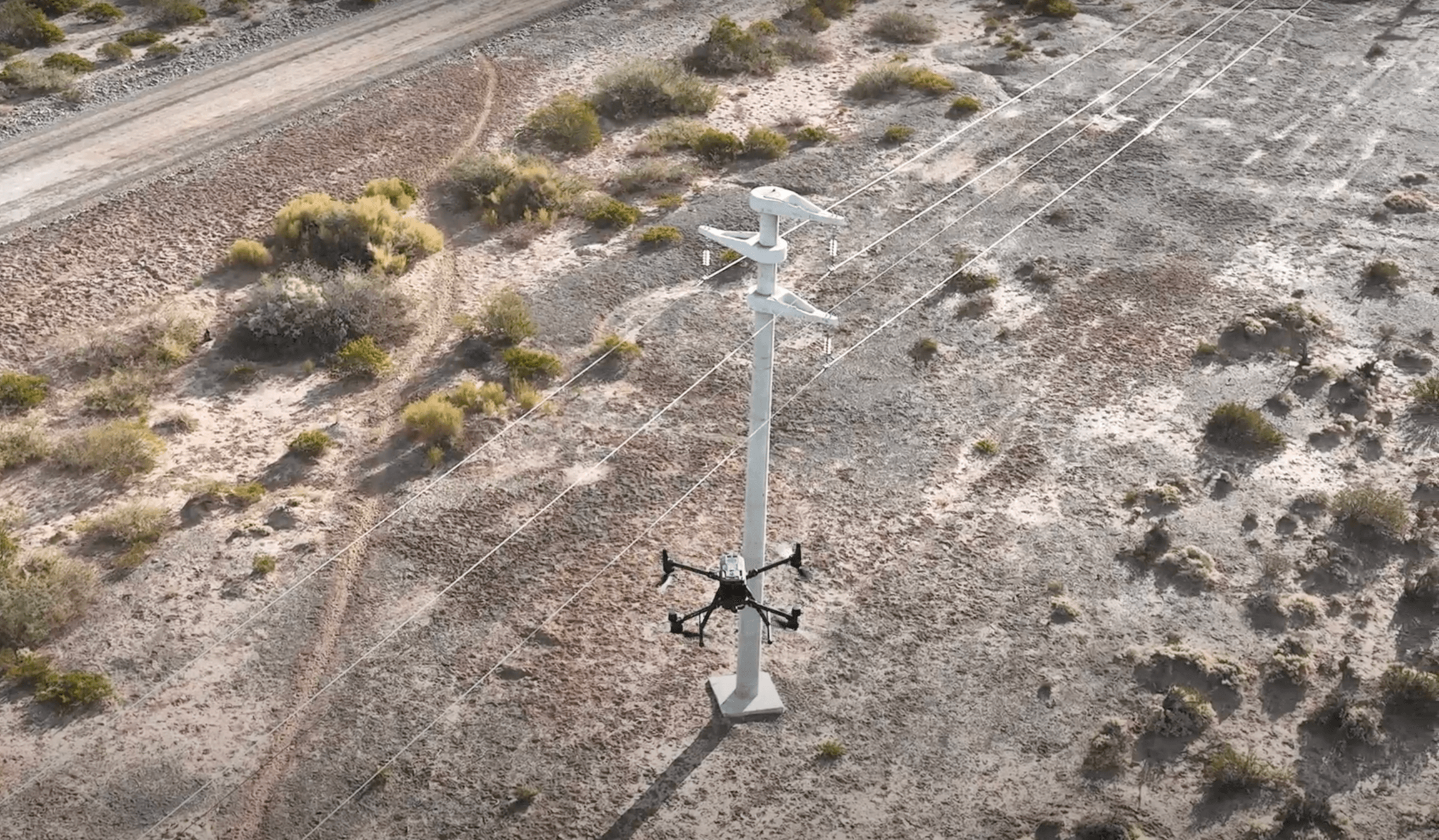
The first stage takes place in the field, through automated flight devices that survey towers, conductors and surrounding areas without interrupting operations or exposing personnel to hazardous environments. These flights follow planned routes to ensure consistency in every inspection, enabling comparison between campaigns and continuous tracking of each asset’s evolution. However, the real value emerges when this information stops being a collection of isolated images and becomes operational insight.
Artificial intelligence analysis and risk categorisation
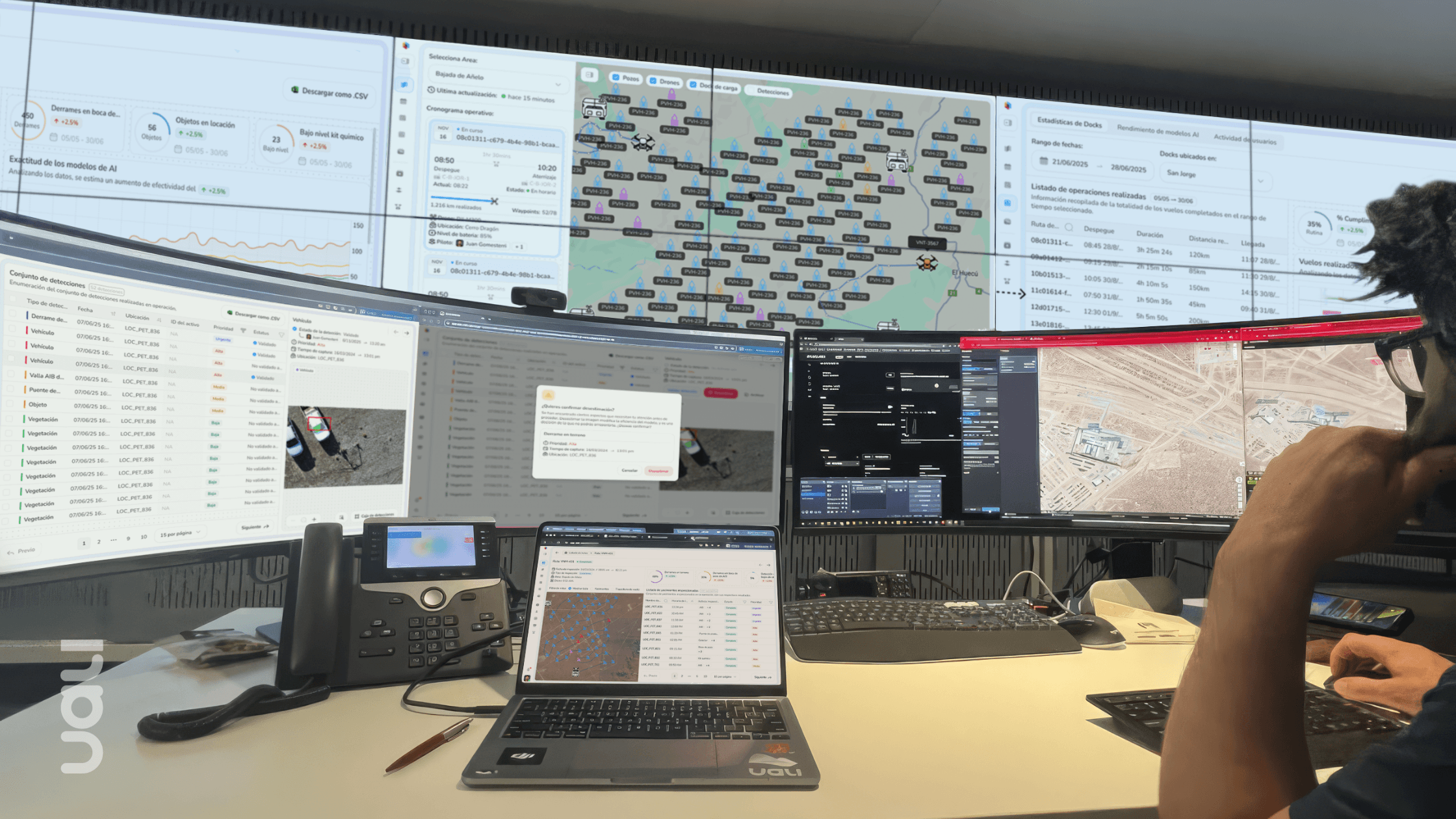
Once collected, data is processed within Uali’s management platform. There, artificial intelligence algorithms detect anomalies and classify them according to their level of criticality. Identifiable events include:
- Network hotspots that may anticipate power outages.
- Failures in polymeric, ceramic or glass insulators.
- Deterioration or damage in medium- and high-voltage conductors.
- Presence of bird nests posing operational risks.
- Vegetation levels that increase wildfire probability.
Automated detection does not replace technical judgement — it enhances it. By prioritising risks and highlighting critical situations, maintenance teams can focus their efforts where they are most needed.
→ For further insights into AI applications in energy assets, explore How Artificial Intelligence is Enhancing Decision-Making.
A management tool that is simple yet strategic
The platform does more than detect events: it organises information within a georeferenced and historical environment that facilitates decision-making. Each asset has a visual and technical record that can be compared over time, enabling objective change management. Continuous monitoring transforms the logic of maintenance — shifting from reactive intervention to preventive and anticipatory operations.
At Uali, we develop artificial intelligence solutions designed for real-world operations. By integrating data, robotics and automation, we transform dispersed information into concrete decisions with direct impact on safety, efficiency and operational continuity. Discover how we support smarter and safer energy infrastructure management.
Diego Dabos
Business Developer