News
Conventional and unconventional production: two energy models, different operational challenges
Over recent years, the development of unconventional resources has transformed the global energy map. In Argentina, the expansion of Vaca Muerta has positioned the country as a major player in this segment, driving investment, technological innovation, and new operational models. However, behind the terms "conventional" and "unconventional" lie geological, production, and operational differences that are well worth understanding. The primary difference lies in how hydrocarbons are stored within the rock.
In conventional reservoirs, oil and gas migrate from the source rock to reservoirs with high permeability and porosity. This allows fluids to flow naturally into the well once drilled. Historically, this has been the predominant model of hydrocarbon exploitation across most of the world.
Conversely, unconventional resources remain trapped within formations of extremely low permeability, where the natural movement of hydrocarbons is exceptionally limited. To produce them commercially, it is necessary to deploy specific technologies such as horizontal drilling and multi-stage hydraulic fracturing (fracking).
From a technical perspective, this difference completely alters a field's development strategy.
In conventional fields, typically characterised by lower initial production rates, they present smoother decline curves and prolonged productive lives. In many cases, assets remain operational for decades, requiring continuous management focused on installation upkeep, artificial lift system optimisation, and asset integrity through preventive maintenance.
However, in unconventional developments, the opposite occurs. Wells can achieve high production levels in their opening months but experience steeper declines. This forces operators to maintain constant drilling and completion campaigns to sustain extraction levels. This dynamic generates significantly different operational challenges.
While the priority in conventional fields is usually associated with maximising the efficiency of assets distributed over vast areas, unconventional developments place central importance on execution speed, logistical coordination, and process standardisation.
The scale changes too. A shale development can involve hundreds or even thousands of wells, modular installations, complex gathering networks, and a vast array of equipment operating simultaneously. As a consequence, data generation grows exponentially, and decision-making increasingly relies on digital tools capable of processing real-time information.
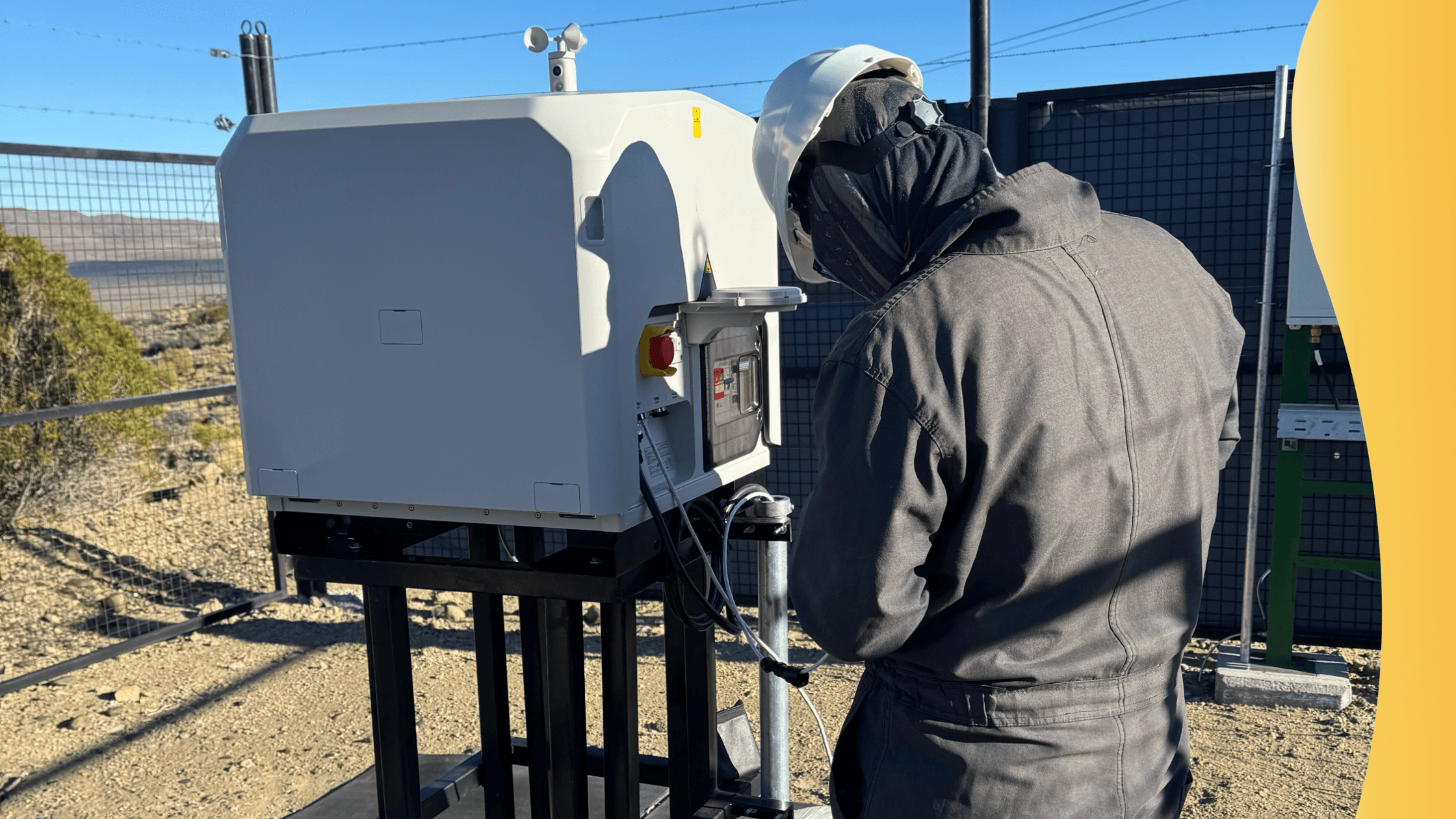
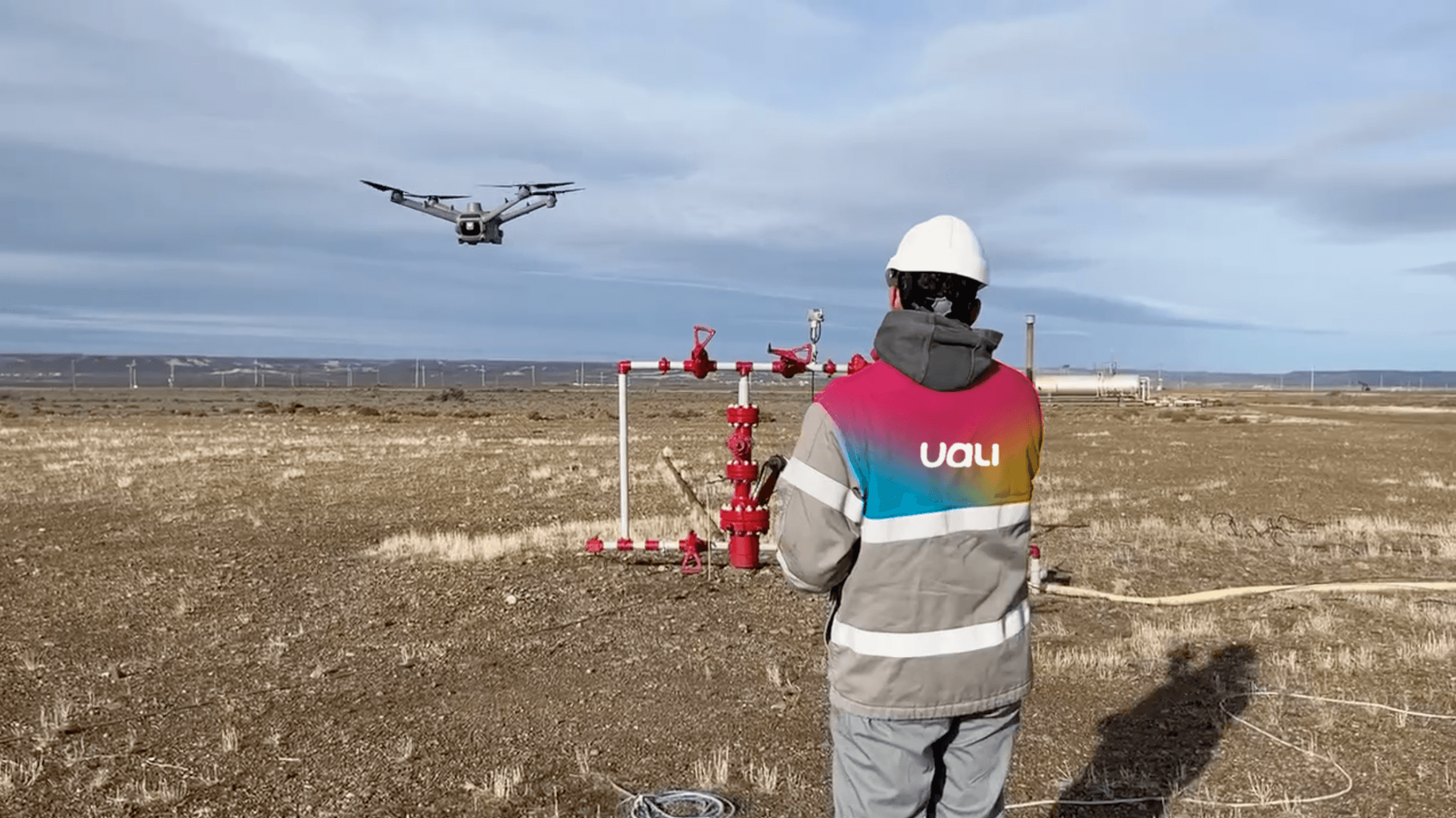
In this context, technologies such as automatic drones, artificial intelligence, computer vision, and advanced remote monitoring systems are beginning to play a strategic role in both conventional and unconventional operations.
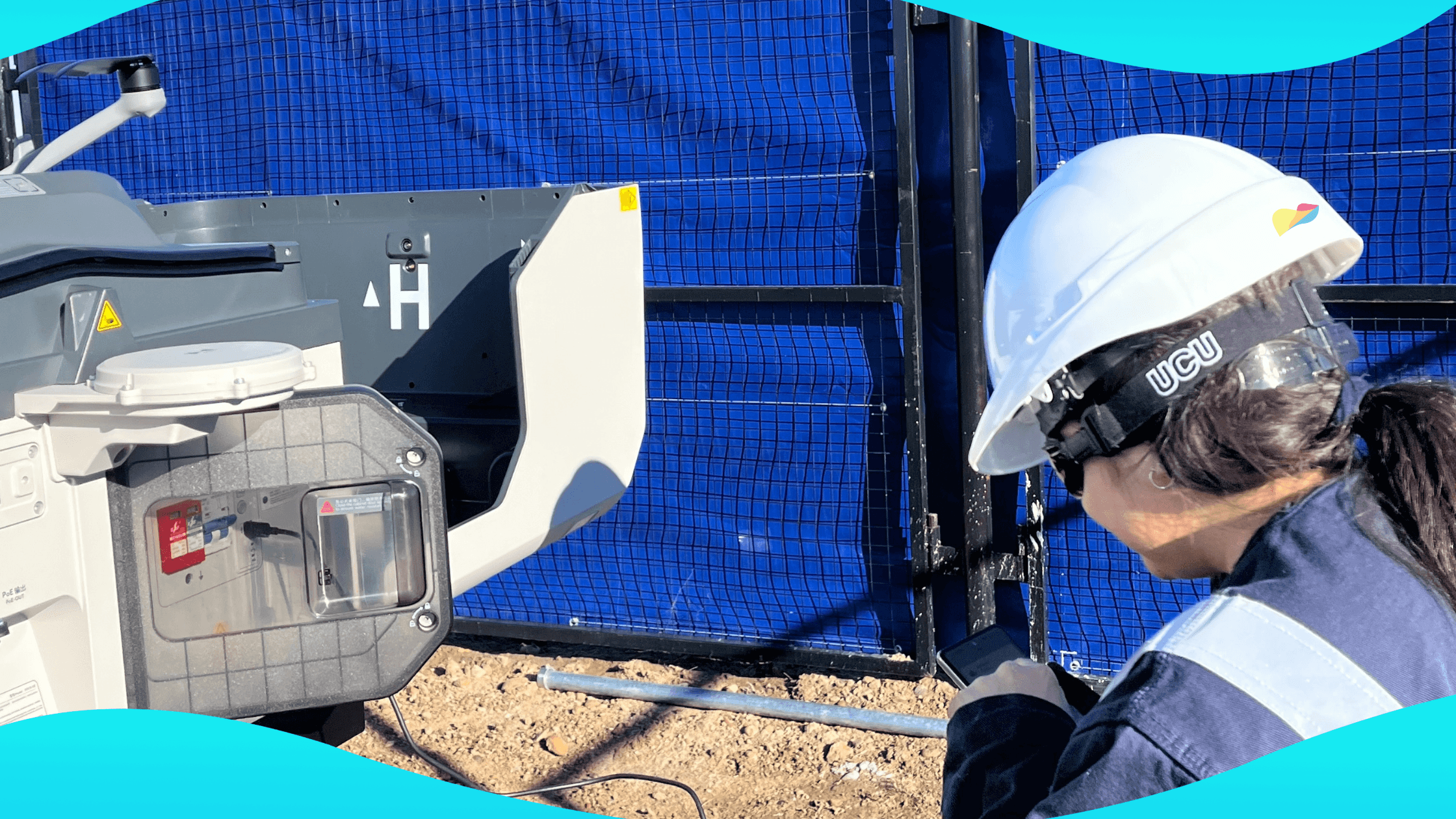
Automatic inspections enable the early detection of anomalies, the monitoring of critical infrastructure, and the reduction of human exposure to hazardous environments. At the same time, the intelligent analysis of large volumes of information facilitates the identification of operational patterns that would be difficult to detect using traditional methods.
The discussion between conventional and unconventional is no longer limited solely to the geological characteristics of reservoirs. Increasingly, the competitiveness of both models depends on the capacity to integrate technology, automation, and advanced data analysis to operate more safely, efficiently, and sustainably.
Ultimately, although both systems pursue the same goal—to produce energy profitably and reliably—the technical challenges they face are distinct. Understanding these differences is fundamental to designing the technological solutions that will optimise energy operations in the coming years.
Ian Bogado
CEO