News
Operational efficiency in Vaca Muerta: The future of hydrocarbon production
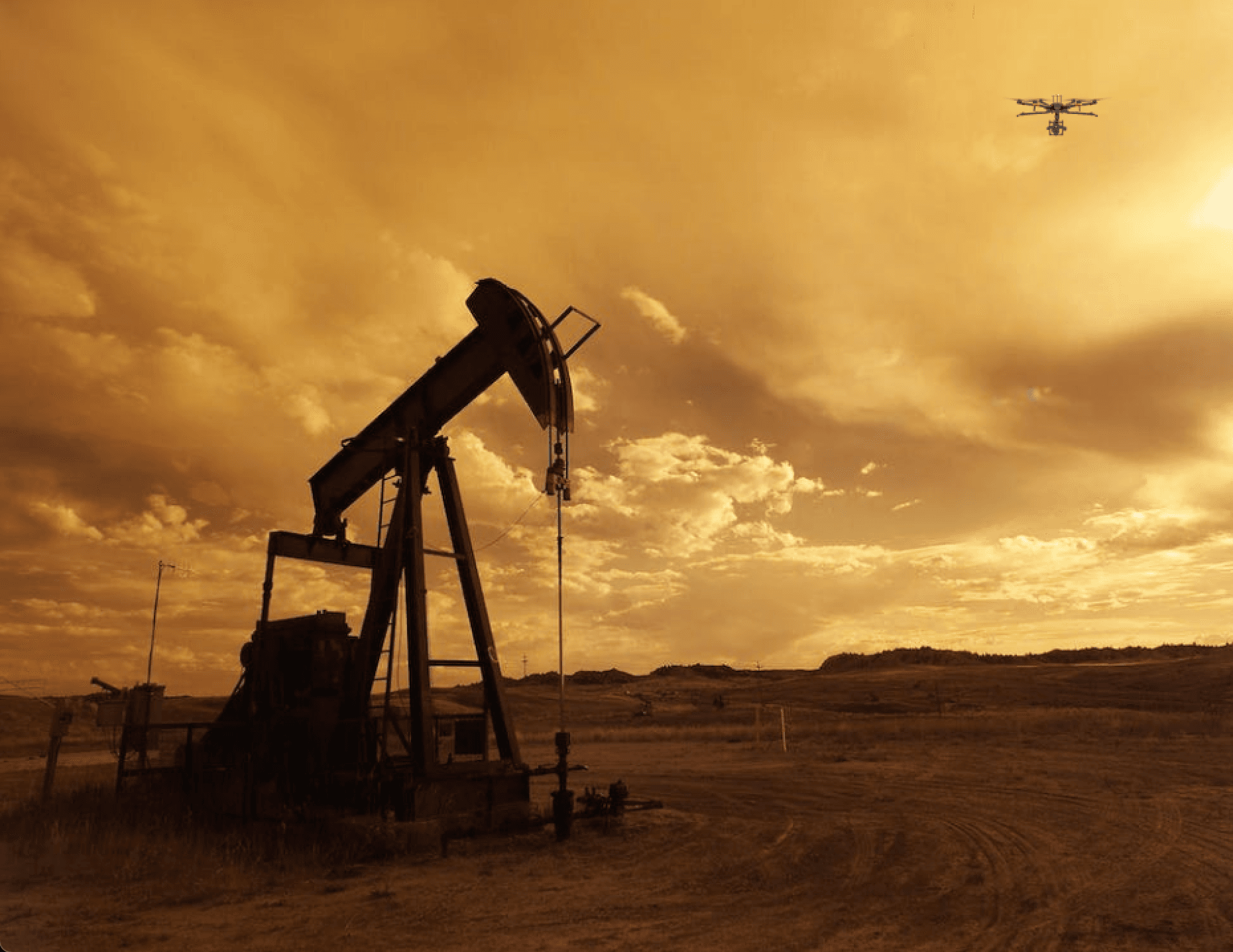
The Neuquén Basin is going through one of its most mature stages in terms of productivity. Part of this progress is driven by a shift in focus: moving away from how much is produced and towards how it is produced. In this context, several analyses suggest that production could increase significantly without environmental impact growing at the same rate.

Recently, the specialised outlet El Economista reported that Argentina could double its oil production with only a marginal increase in emissions, provided that growth is accompanied by improvements in operational and technological efficiency. This is no minor detail: it represents a clear break from the sector’s historical logic, where higher production typically meant greater environmental impact.
→ Read more in More oil, almost the same smoke: Argentina will double its production with just a 6% increase in emissions.
Operational efficiency therefore emerges as the key factor behind this decoupling between output and impact. In Vaca Muerta, progress is not driven solely by technical improvements, but by a sustained process of operational learning. Today, more is produced with fewer active resources, non-productive time is reduced, and every field intervention is optimised. This is not growth through accumulation, but growth through optimisation.
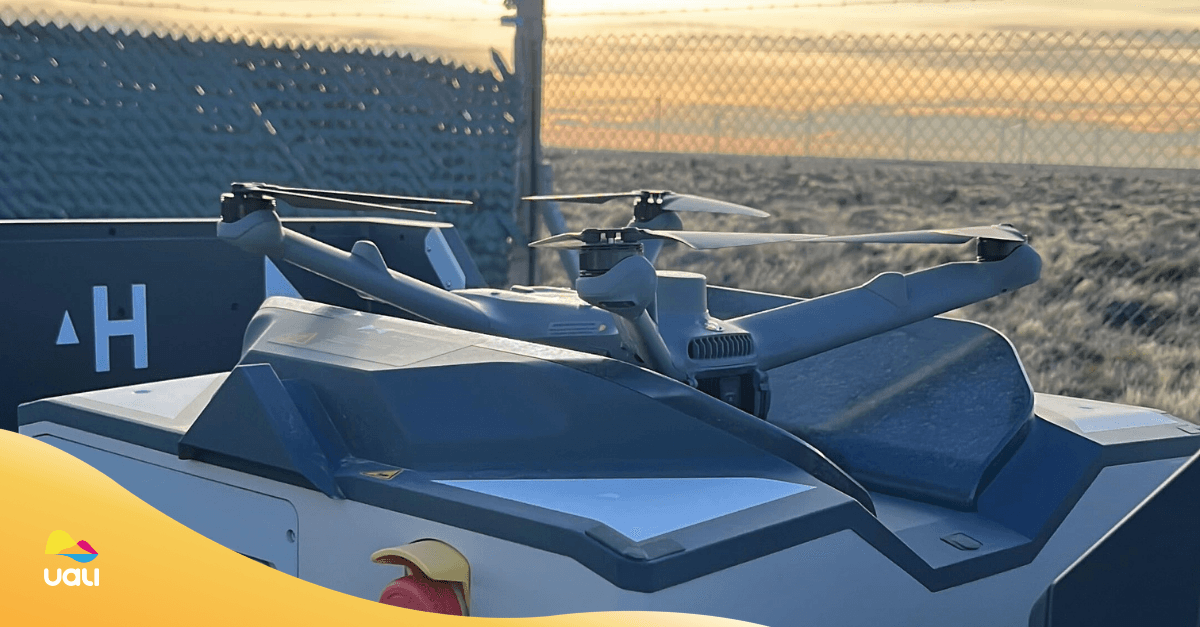
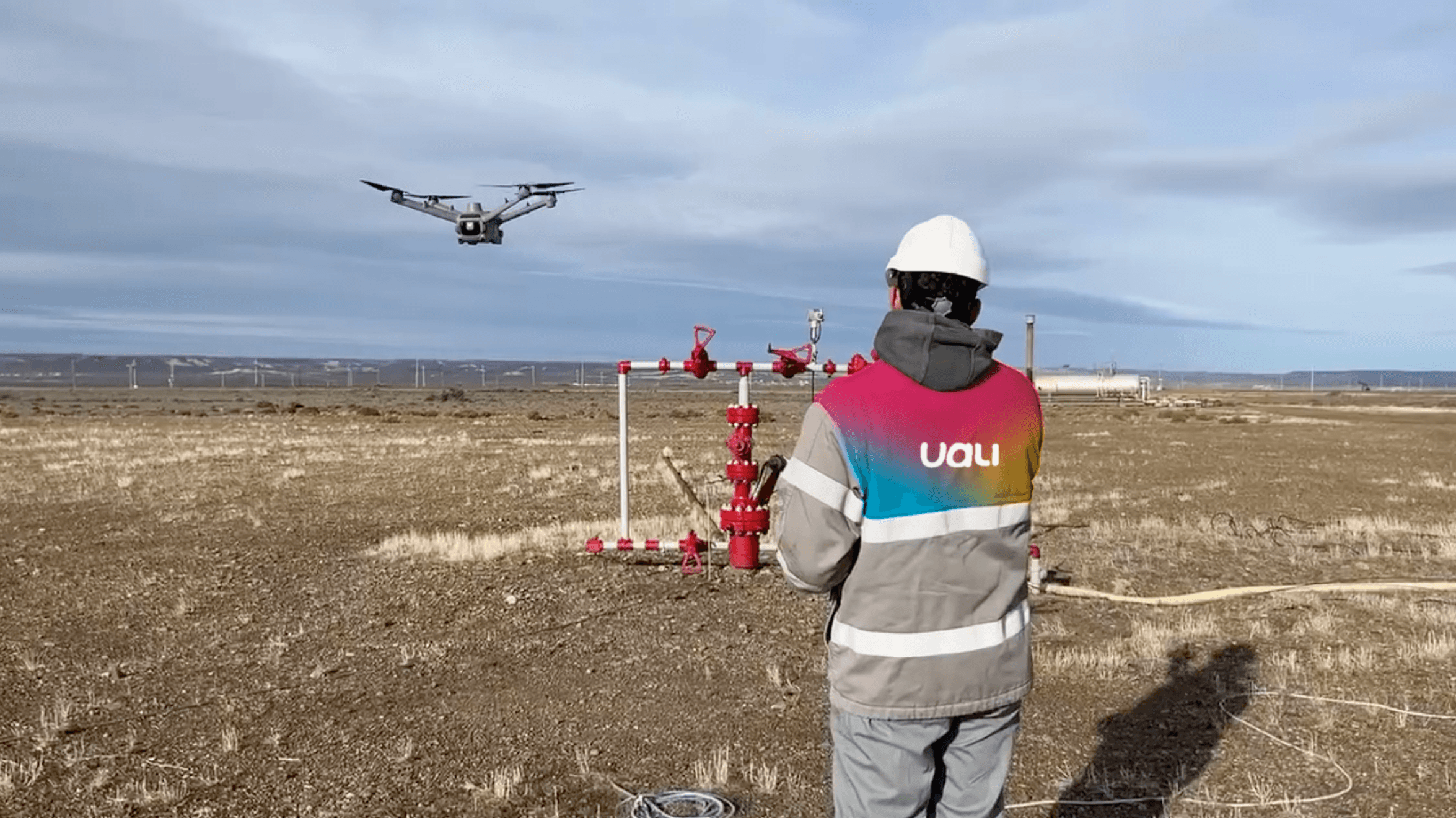
Within this scenario, Uali’s work to promote the adoption of technology applied to daily operations begins to play a structural role. The ability to remotely observe assets, integrate operational and environmental data, and prioritise tasks based on criticality enables more predictable operations. Efficiency no longer depends exclusively on fieldwork, but is increasingly built through management platforms.
The growing complexity of operations, combined with the need to control costs and reduce impacts, has forced a rethinking of how assets are managed. Today, operational efficiency is built on information. Continuous monitoring, data analysis and evidence-based planning make it possible to anticipate failures, reduce unnecessary interventions and make more precise decisions. This approach not only improves productivity, but also directly contributes to reducing emissions associated with travel, corrective work and unplanned shutdowns.
→ Learn more about remote inspections in oilfields in Technology at scale: what it means to inspect more than 1,020 assets in a single day
If this article makes one thing clear, it is that Vaca Muerta is beginning to demonstrate that producing more does not necessarily mean producing worse. Operational efficiency is consolidating itself as the axis that makes it possible to scale production, meet market demand and, at the same time, move towards a more organised and responsible operation. What lies ahead is not just more energy, but a different way of generating it.
At Uali, we work to make prevention part of everyday operations, turning data into decisions and helping energy companies anticipate the challenges ahead. Get to know us!
Giselle Balzano
Product Manager