News
How remote inspection transforms personnel safety in the energy industry
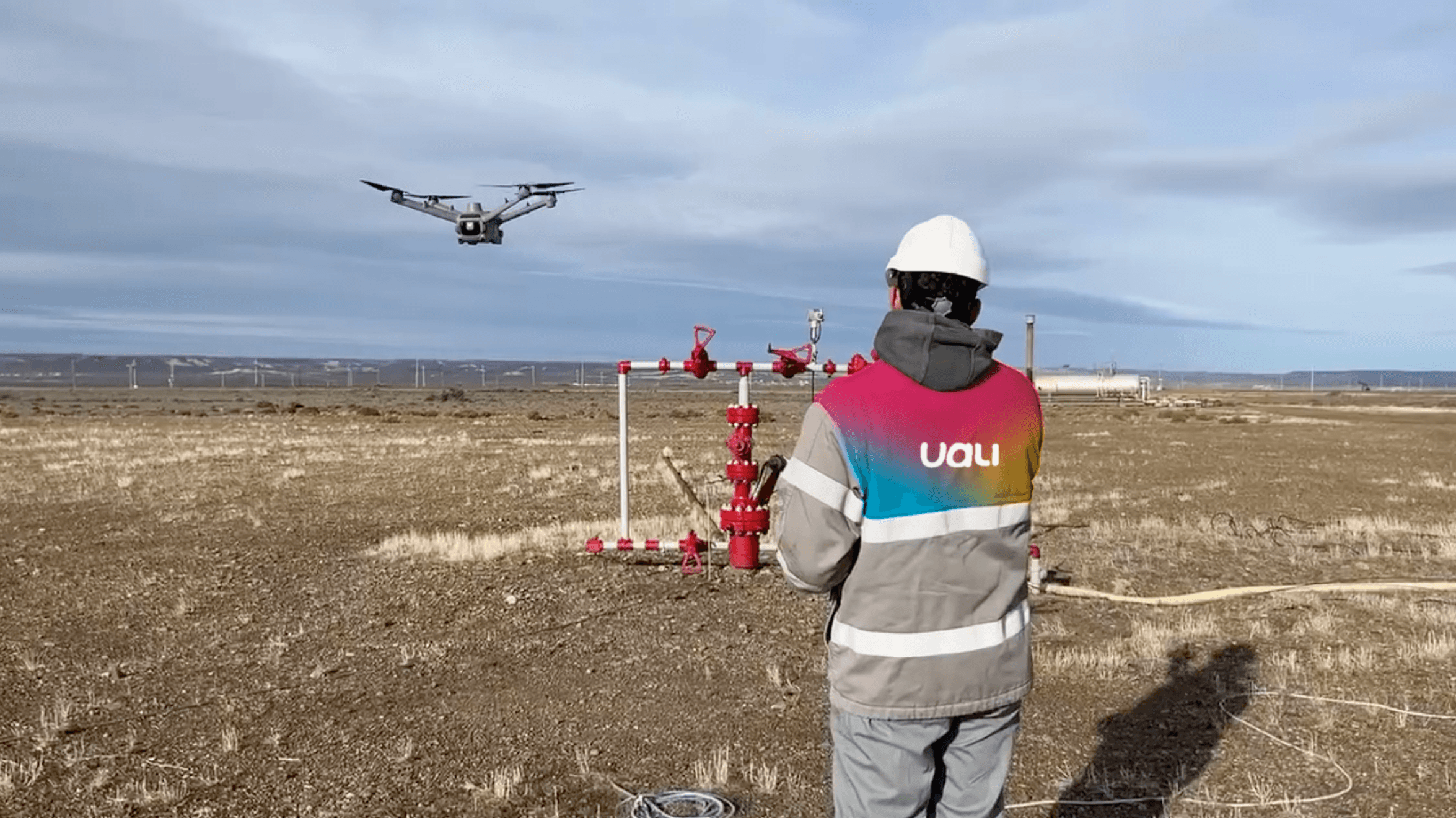
In hydrocarbon fields, power transmission grids, and industrial plants, personnel safety stands as the single most critical indicator of operational success. Every working day involves facing complex risk factors: from high-altitude tasks and manoeuvres on energised equipment to ground transport along high-risk roads or exposure to extreme weather conditions. Traditionally, supervising components and detecting anomalies required operators to physically travel across thousands of kilometres of infrastructure to conduct direct visual checks. Today, digitalisation and field data processing allow us to redefine this paradigm: technology takes on the capture task in critical areas, drastically reducing human exposure.
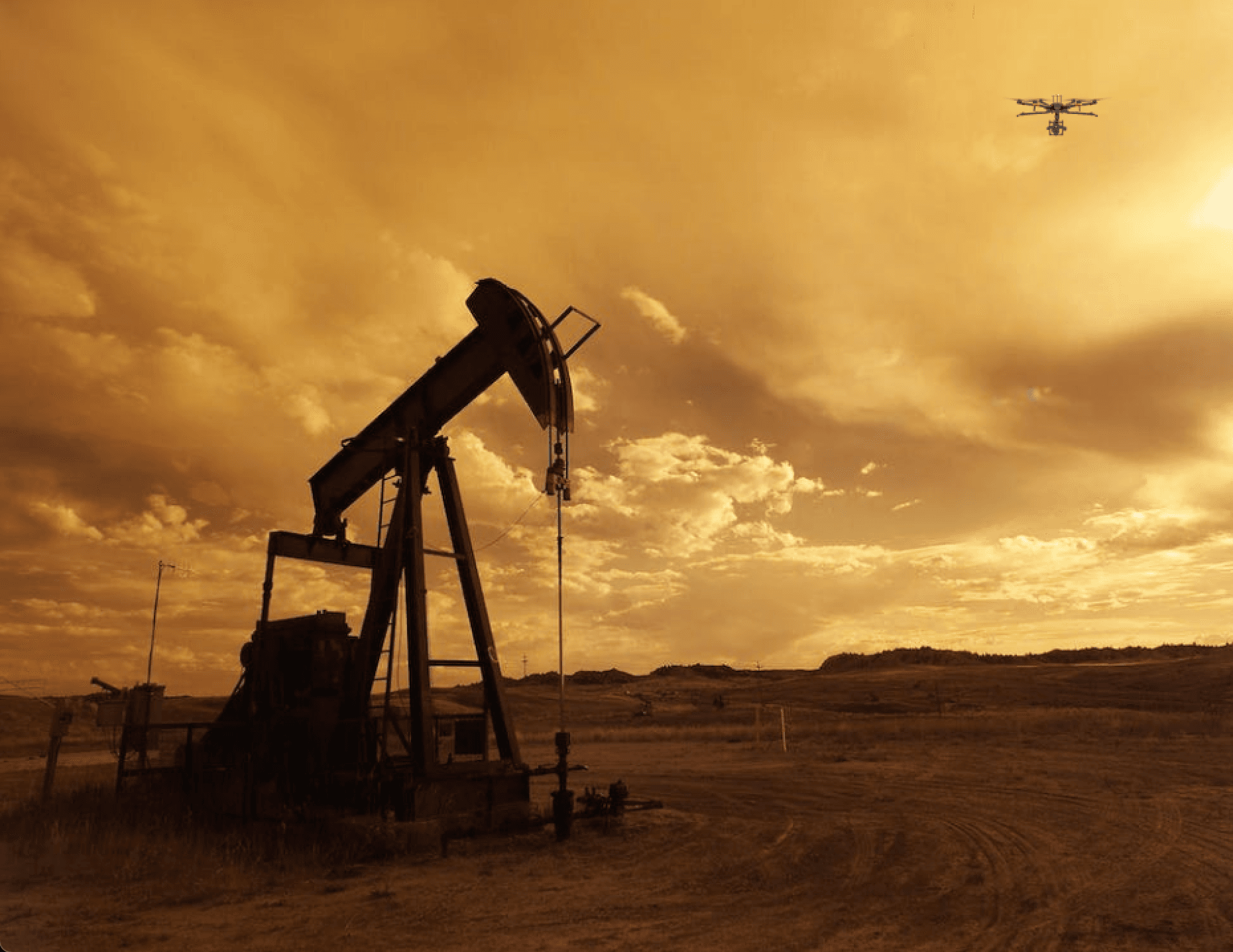
Technology safeguarding human well-being
At Uali, we conceive innovation as a tool to protect those who make energy production possible. Through the deployment of remote inspection solutions and the computer-based analysis of optical and thermal imagery, we directly impact HSE standards across four fundamental pillars:
1. Drastic reduction in high-altitude and confined space tasks
Preventing a technician from having to climb a high-voltage tower or enter a risky structure to verify an insulator’s condition represents a substantial advancement. High-resolution remote capture allows for the structural and thermal condition of critical components to be evaluated from a safe distance, reserving physical interventions solely for properly planned repairs.
2. Minimisation of road risk in ground travel
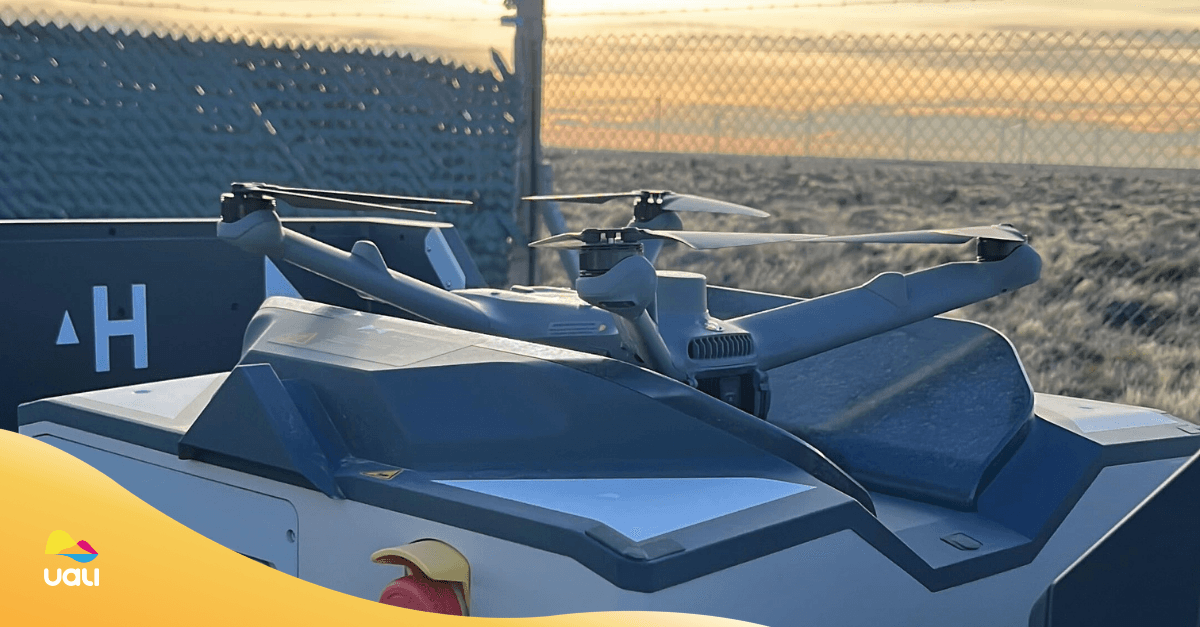
Industry statistics demonstrate that a significant proportion of safety contingencies occur during routine ground transport. By deploying strategic base stations (docks) and integrated platforms that monitor vast areas in record time, companies eliminate random, blind patrols. Maintenance crews travel exclusively to the exact coordinates where an anomaly has been verified, significantly reducing the kilometres driven in vehicles.
→ Learn more about Uali's data collection process: Discover how we capture and process field data.
3. Automatic detection of safety (HSE) non-conformities
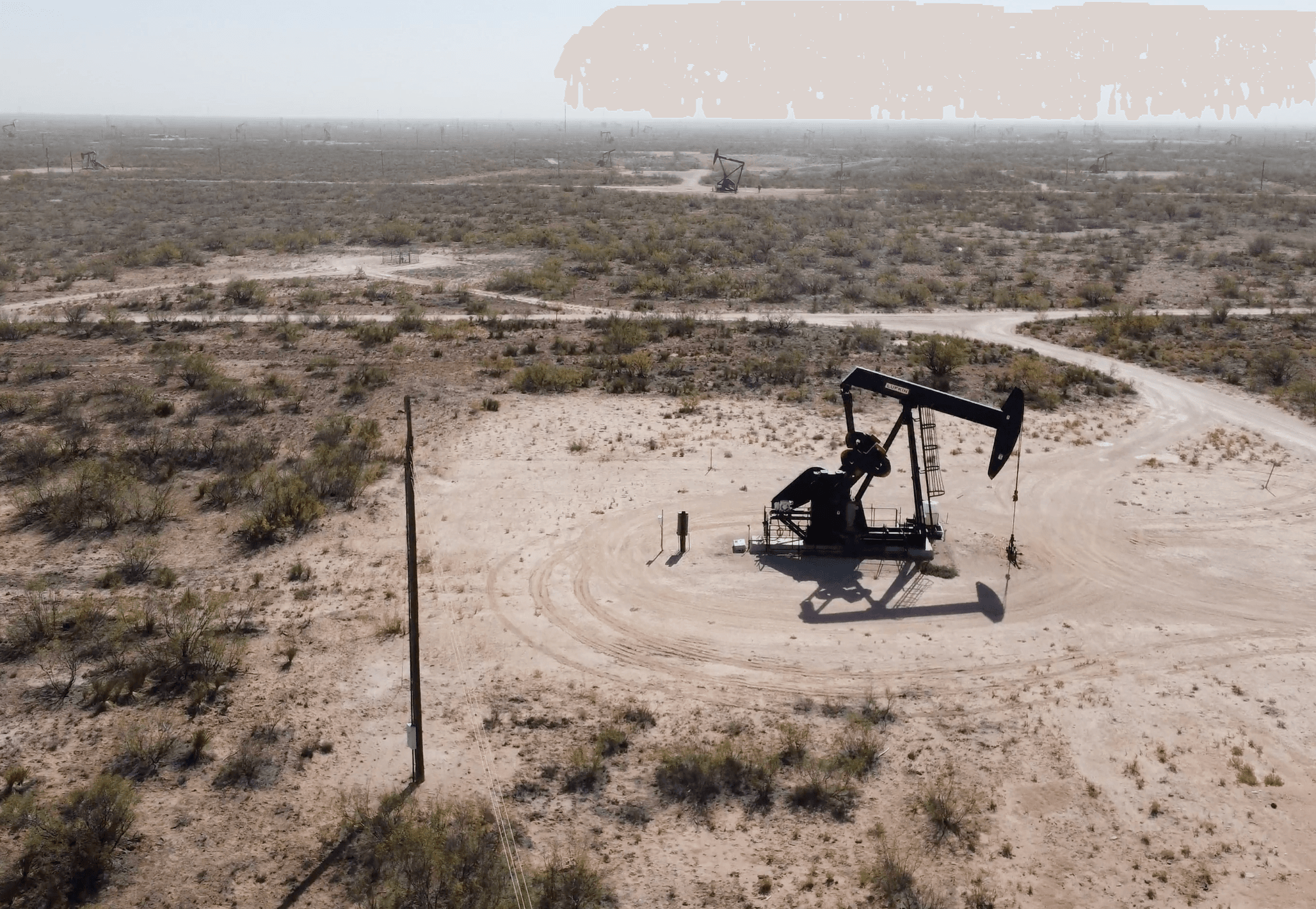
Our computer vision models not only identify technical faults in assets, but also deviations within the working environment. Through automatic inspections, the platform verifies the presence and proper condition of collective protection elements—such as the integrity of perimeter fencing on Pumping Units (AIB) or the correct installation of belt guards on motors. This continuous oversight ensures facilities remain in optimal condition prior to personnel entry.
4. Precise information for safe interventions
When a maintenance team needs to service an asset on location, they no longer do so blindly. By receiving the exact geolocation, images of the finding, and the pre-validated severity level directly within their work order, operators can prepare the right tools, Personal Protective Equipment (PPE), and work permits before heading to the field, executing cleaner, faster, and safer preventive maintenance maneuvers.
By delegating massive data collection to remote inspection systems, we ensure that human talent focuses its value on decision-making and strategic problem-solving. At Uali, we continue developing digital solutions so that the productivity and expansion of the energy matrix always go hand in hand with a fundamental principle: the integrity and safety of every person in the field.
Ian Bogado
CEO