News
Environmental challenges in the energy industry: How technology transforms demands into operational opportunities
In today’s industrial landscape, sustainability is no longer an optional metric or a footnote in annual social responsibility reports. Today, environmental regulations, ESG standards, and carbon footprint controls represent strict prerequisites for operating within the energy sector. As infrastructure expands and production volumes rise, companies face a complex challenge: how to strictly exploit these resources without compromising operational efficiency? The answer: integrating precision technology into the very core of daily operations.
The paradigm shift
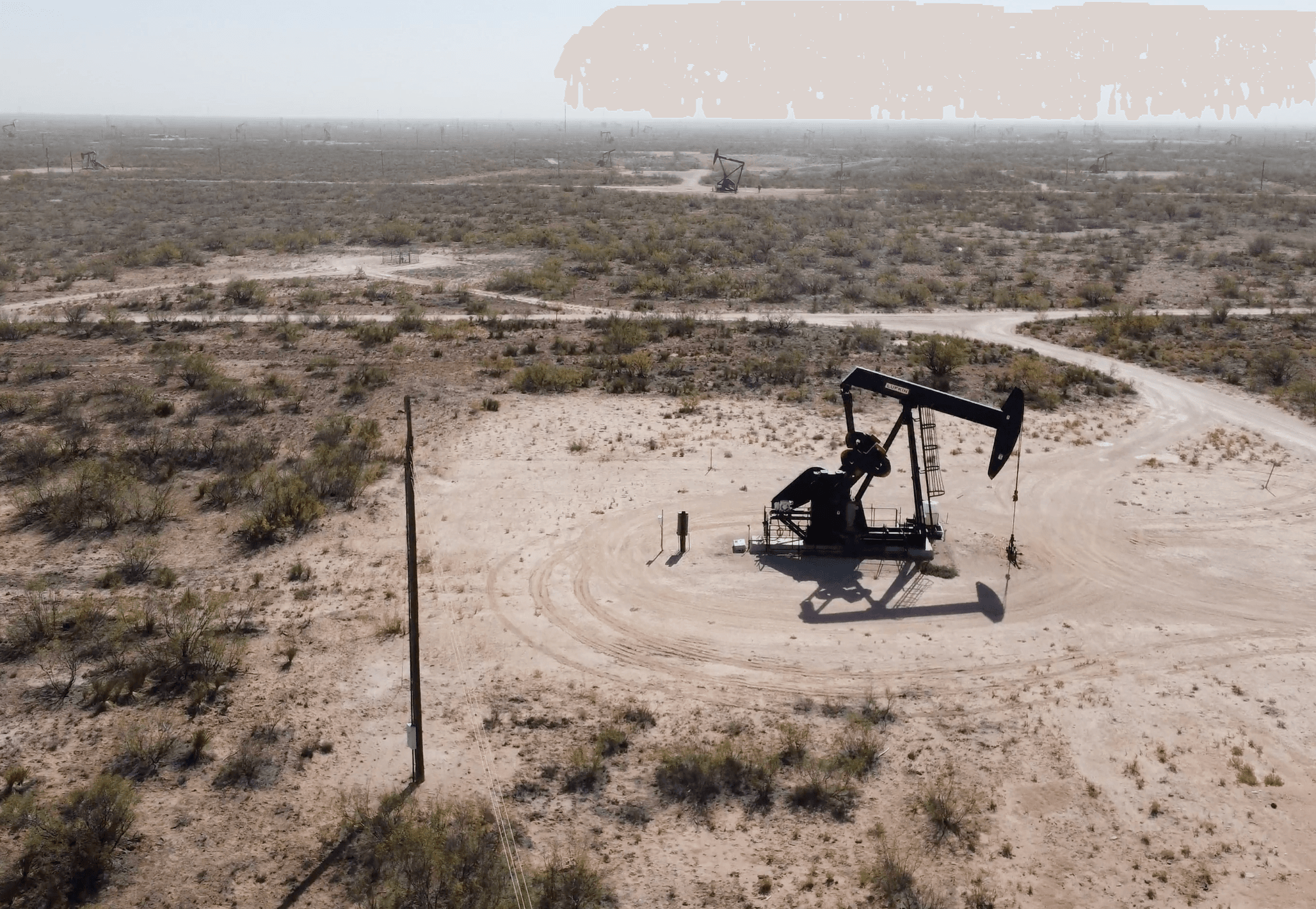
Traditionally, environmental management across oilfields, power lines, and renewable energy parks relied on periodic ground walkthroughs. In addition to demanding extensive logistics that generated their own emission footprint, this approach left a risky timeframe between the emergence of an anomaly and its detection in the field.
→ The challenges presented by the energy industry
Faced with this limitation, remote inspection technology and data analysis powered by artificial intelligence are redefining environmental protection across three key pillars:
- Early detection of faults, anomalies, or uncontained fluids
In the hydrocarbon industry, a minor sign of uncontained fluid on the ground or wellhead—if not addressed promptly—can escalate into a large-scale environmental incident. Through the Uali platform, surface variations or subtle changes can be identified in their initial stages, enabling immediate containment maneuvers via preventive maintenance that protect local soil and aquifers.
- Logistical optimisation and emissions reduction
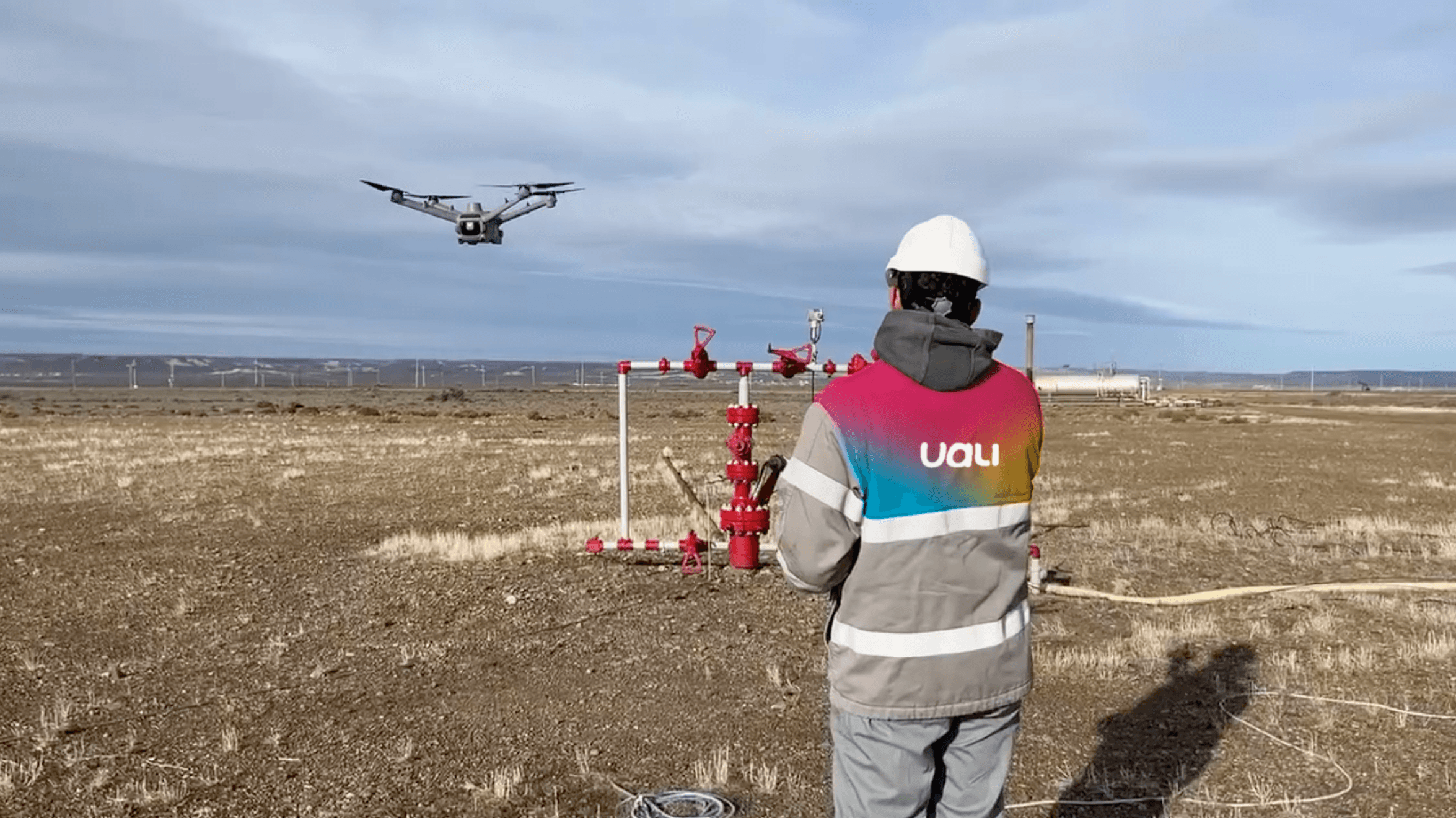
Monitoring kilometres of infrastructure via ground crews requires the daily deployment of dozens of heavy vehicles across remote areas. Centralised remote data capture via automatic robotics minimises routine, inefficient travel. By dispatching field personnel solely to locations with verified anomalies, companies directly reduce fuel consumption and the carbon footprint associated with their maintenance duties.
→ Technological efficiency as an ally of sustainability
- Digital evidence and traceability for audits
Meeting environmental demands requires absolute transparency. Printed reports and manual spreadsheets no longer satisfy the standards of regulatory bodies. Centralising findings on georeferenced maps with comparative severity histories allows companies to present irrefutable digital evidence, demonstrating precisely what, when, and how every asset was supervised during any environmental audit.
Technology as a bridge to sustainability
Responding to environmental demands does not have to be a drag on productivity. On the contrary, when technology is utilised to anticipate issues, sustainability directly translates into cost efficiency, grid resilience, and safety for surrounding communities.
At Uali, we support the transformation of the energy matrix by delivering the clarity operators need. We supply the digital tools so that protecting the environment is, at the same time, the smartest operational decision for the business. Discover how Uali transforms energy management!
Amelia Bálsamo
CTO